Lactobionic Acid
Family PHAs (polyhydroxy acids)
Using it with other products
-
Use at different timeswith Retinoids (vitamin A)
Retinoids (vitamin A) and exfoliating acids both speed up the shedding of old skin cells. Using them in the same routine can add up to redness, peeling and stinging, especially while your skin is still getting used to the retinoid.
Use them on different nights, or the acid in the morning and the retinoid at night. If you are pregnant or breastfeeding, ask your doctor before using retinoids.
Dry or sensitive skin may do best with the acid only once or twice a week; oily skin often tolerates more.
More on Retinoids + exfoliating acids (AHA, BHA, PHA) →Written by the Glowpedia team · How we write our guides
-
Use at different timeswith Copper peptides
Copper peptides are most stable in products that are only mildly acidic, and strongly acidic products may loosen the copper from the peptide. This is based on chemistry rather than skin studies, so the real effect is uncertain.
To be careful, use them at different times of day or on different days.
Sensitive skin may also be more comfortable with fewer actives per routine.
More on Copper peptides + exfoliating acids →Written by the Glowpedia team · How we write our guides
-
Use at different timeswith Scrub particles and enzymes
Scrubs (grainy particles) and enzyme exfoliants also remove dead skin. Using them on the same day as exfoliating acids or a retinoid can over-exfoliate, leaving skin red, raw, tight or stinging.
Use scrubs or enzymes only now and then, on days you skip acids and retinoids. If you are pregnant or breastfeeding, ask your doctor before using retinoids.
Dry or sensitive skin may do best skipping scrubs while using retinoids or acids.
More on Acids or retinoids + scrubs and enzyme exfoliants →Written by the Glowpedia team · How we write our guides
-
Careful togetherwith AHAs (alpha hydroxy acids), BHA (salicylic acid), PHAs (polyhydroxy acids)
AHAs, BHA (salicylic acid) and PHAs all loosen dead skin cells, so layering two acid products adds up the exfoliation. Many people manage this, but it can lead to redness, stinging and a weakened skin barrier (the protective outer layer). PHAs are usually the gentlest.
Use one acid product per routine, or alternate them on different days. If you do layer them, start with a few times a week.
Oily skin often tolerates more; dry or sensitive skin may prefer one gentle acid, such as a PHA or lactic acid.
More on Two exfoliating acid products →Written by the Glowpedia team · How we write our guides
-
Great togetherwith Sunscreen filters (chemical), Mineral pigments and sunscreen filters
AHAs are well known to increase sun sensitivity, and the US FDA advises using sunscreen while using AHA products and for a week after stopping. BHA and PHAs can also make skin more sensitive, so use sunscreen every day.
Apply a broad-spectrum sunscreen (one that protects against both UVA and UVB) generously every morning, even if you use the acid only at night. Makeup with pigments alone is not enough.
Sensitive skin may find mineral sunscreens (zinc oxide, titanium dioxide) less stinging after exfoliating.
More on Exfoliating acids + daily sunscreen →Written by the Glowpedia team · How we write our guides
-
Great togetherwith Ceramides and barrier lipids, Hyaluronic acid, Humectants (water-binding), Panthenol (vitamin B5)
Exfoliating acids and benzoyl peroxide can leave skin dry or tight. Ceramides, hyaluronic acid, other humectants (which draw water into the skin) and panthenol help keep skin hydrated and comfortable, which can make these actives easier to keep using.
Apply a moisturizer after the acid or benzoyl peroxide has dried, morning and night.
Oily skin can choose a light, oil-free moisturizer; dry skin may need a richer cream.
More on Acids or benzoyl peroxide + moisturizing ingredients →Written by the Glowpedia team · How we write our guides
-
Fine togetherwith Peptides
It is sometimes said that acids break down peptides (short chains of amino acids used in skin care for signs of aging). There is little evidence that this happens to a meaningful degree in a normal routine, and peptides rarely irritate.
You can use both in the same routine; if you prefer to be careful, use the acid at night and peptides in the morning.
If your skin is sensitive, the acid is the more likely cause of any stinging.
More on Peptides + exfoliating acids →Written by the Glowpedia team · How we write our guides
-
Fine togetherwith Niacinamide (vitamin B3)
A common worry is that acids turn niacinamide into niacin, which can cause flushing. This change is very slow at room temperature, so in a normal routine it is unlikely to matter.
You can use them in the same routine. If you notice redness, use them at different times of day.
On sensitive skin, any stinging is more likely to come from the acid than from niacinamide.
More on Niacinamide + exfoliating acids →Written by the Glowpedia team · How we write our guides
Often in the same formulas
Products with Lactobionic Acid
12 products
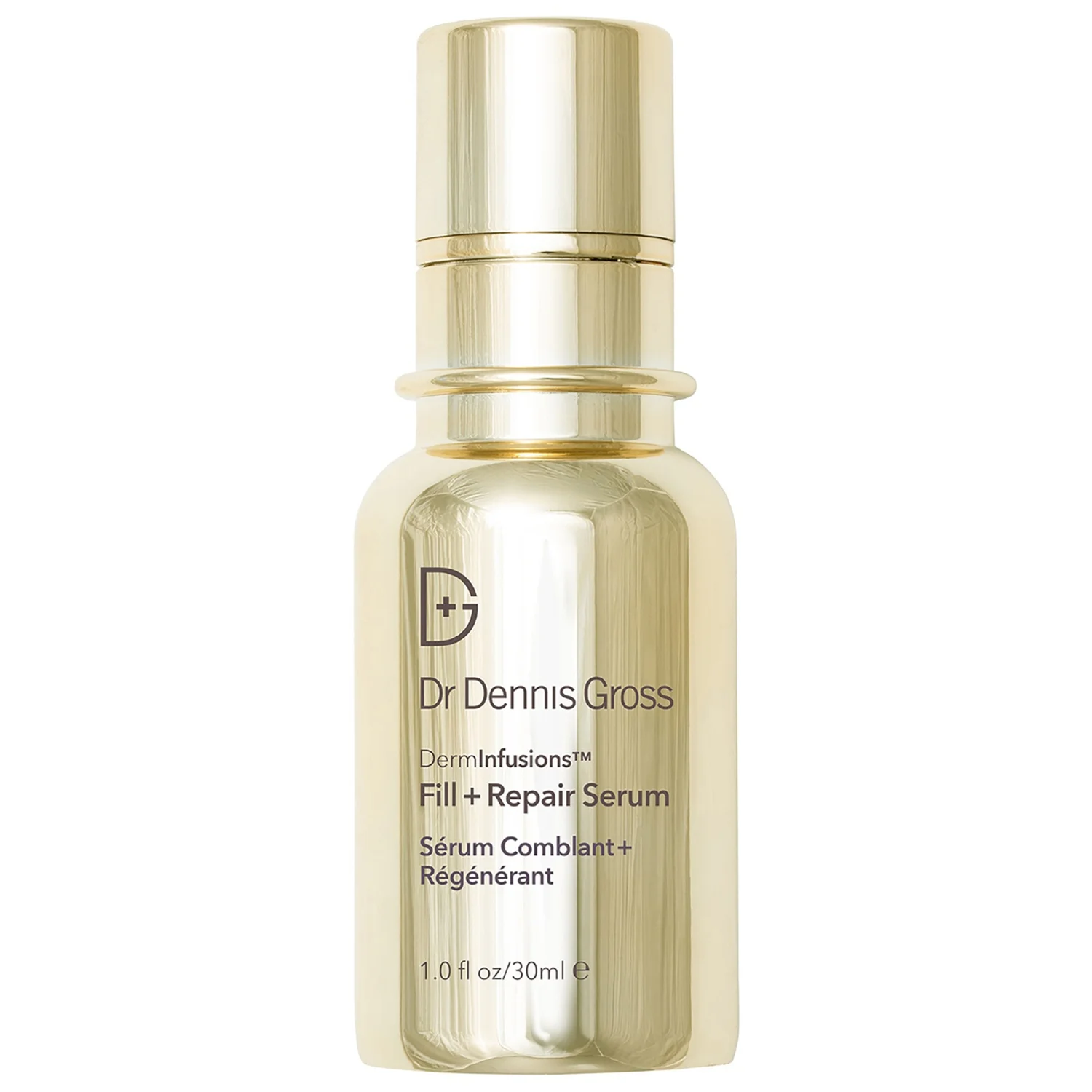 Dr Dennis Gross
 DermInfusions Fill + Repair Serum 30ml
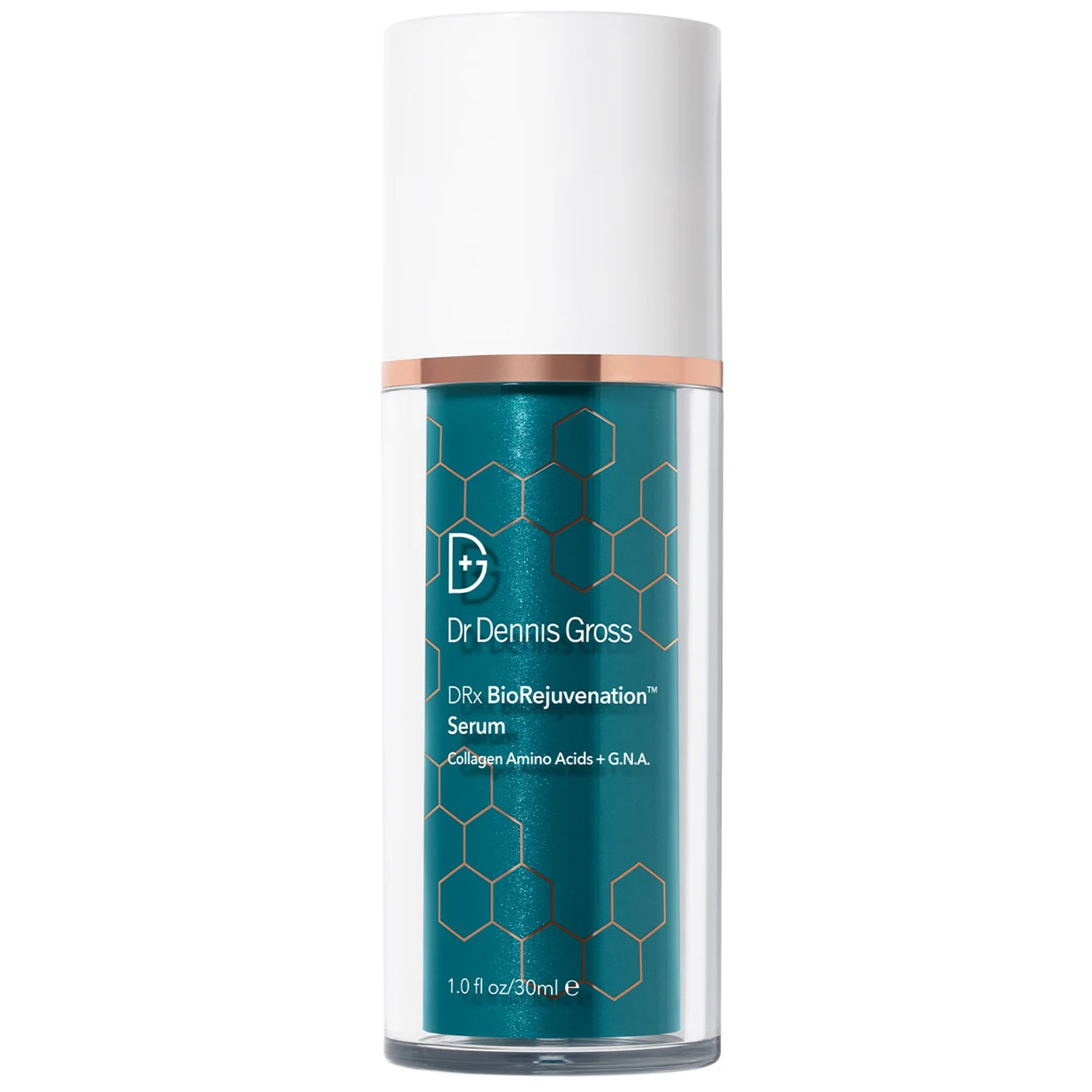 Dr Dennis Gross
 DRx BioRejuvenation™ Serum (30ml)
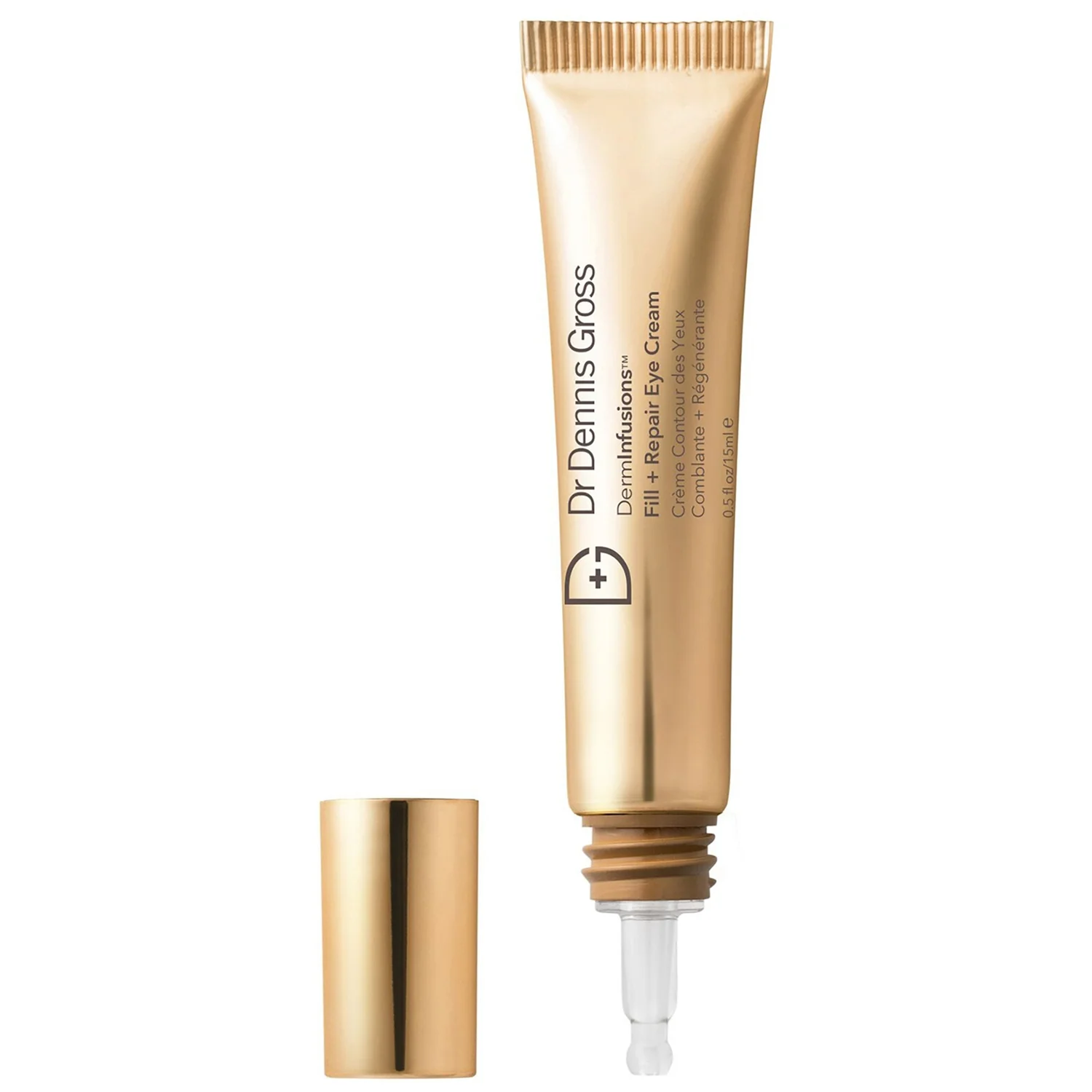 Dr Dennis Gross
 Skincare DermInfusions Fill + Repair Eye Cream 15ml
 Verb
Ghost™ Exfoliating Scalp Nectar
 COSRX
Hydrium Triple Hyaluronic Moisture Ampoule
 DERMA E
Ferulic Acid Resurfacing Pads
 COSRX
COSRX One Step Green Calming Pad
Verb
VERB Ghost Exfoliating Scalp Nectar, 2 fl oz | PHA/AHA Build-Up Remover
MEDITHERAPY
MEDITHERAPY Retinal Skin Booster Serum for Smooth & Uneven Skin 5.07 fl.oz
COSRX
COSRX Low pH Soft Peeling Gel, Korean Gentle Face Scrub, 4.05 fl oz
COSRX
COSRX 3X Hyaluronic Acid Moisture Ampoule For Dry Skin, 1.35 fl.oz
Dr.G
Dr. G Brightening Vita Peeling Pad, 70 Count
8 quick questions give you your skin type and a morning and night routine, with products that fit your budget.
Take the 1-minute skin quiz →