Normal skin routine
A simple routine that protects what is working
Normal skin is neither very oily nor very dry, rarely reacts to products and has few breakouts. It still changes with age, seasons and sun exposure, so the focus is prevention: daily sunscreen, an antioxidant in the morning and a retinoid at night.
Signs of normal skin
- Skin feels comfortable a few hours after washing, neither tight nor greasy
- Little shine, maybe a bit on the nose by evening
- Pores are small and even
- Only occasional pimples
- Most products don't sting or cause redness
Written by the Glowpedia team · How we write our guides
Glowpedia · Your routine · November 23, 2026
https://myglowpedia.com/en/routine/normal
Save it as a PDF, print it or send it to your inbox. The link of this page always opens your routine.
Morning routine
Apply products from thinnest to thickest: watery serums first, then lotions and creams, with sunscreen always last in the morning. Wait about 1 minute between layers and 1–2 minutes before sunscreen, and let skin dry fully after washing before a retinoid.
-
Cleanse
Gentle cleanser or water rinse
A mild gel or cream cleanser keeps skin clean without upsetting its balance; if your skin isn't oily, lukewarm water alone is fine in the morning.
How: Massage a hazelnut-size amount for 30–60 seconds with lukewarm water (about 32–37 °C / 90–98 °F), rinse and pat dry with a clean towel.
Look forGlycerinMild surfactantsPanthenolTexture: Gel, cream or low-foam
Skip: Harsh foaming or exfoliating cleansers used twice a day.
CeraVe 16.0 oz Hydrating Facial Cleanser Dermatologist pick · Dr. Muneeb Shah @dermdoctor Contains Gentle cleansers (surfactants), Humectants (water-binding), Ceramides and barrier lipids Buy on Amazon Ingredients and prices →
-
Serum
Vitamin C serum
Vitamin C is an antioxidant that helps protect against sun and pollution damage, brightens dull skin and fades small marks. It works best in the morning, under sunscreen.
How: Apply 3–4 drops to dry skin after cleansing and wait about 1 minute before moisturizer. Start with 10% (or a gentler derivative) every other morning for 1–2 weeks, then daily; keep the bottle closed and away from light, and replace it if it turns dark orange or brown.
Look forL-ascorbic acid 10–20%Vitamin E and ferulic acidGentler forms: sodium ascorbyl phosphate or ascorbyl glucosideTexture: Watery or light serum
Skip: Layering L-ascorbic acid with strong acids or benzoyl peroxide in the same routine if your skin stings.
 skinfix
Brighten + Firm 15% Vitamin C Serum
Contains Vitamin C, Antioxidants, Hyaluronic acid Buy on Amazon
Ingredients and prices →
-
Moisturize
Light moisturizer
A light lotion keeps the barrier healthy and helps sunscreen sit evenly.
How: Apply a pea-to-almond-size amount to face and neck and wait 1–2 minutes before sunscreen. In summer, a moisturizing sunscreen can be enough on its own.
Look forGlycerinCeramidesNiacinamideHyaluronic acidTexture: Lotion or gel-cream
Skip: Heavily fragranced creams, which can irritate even normal skin over time.
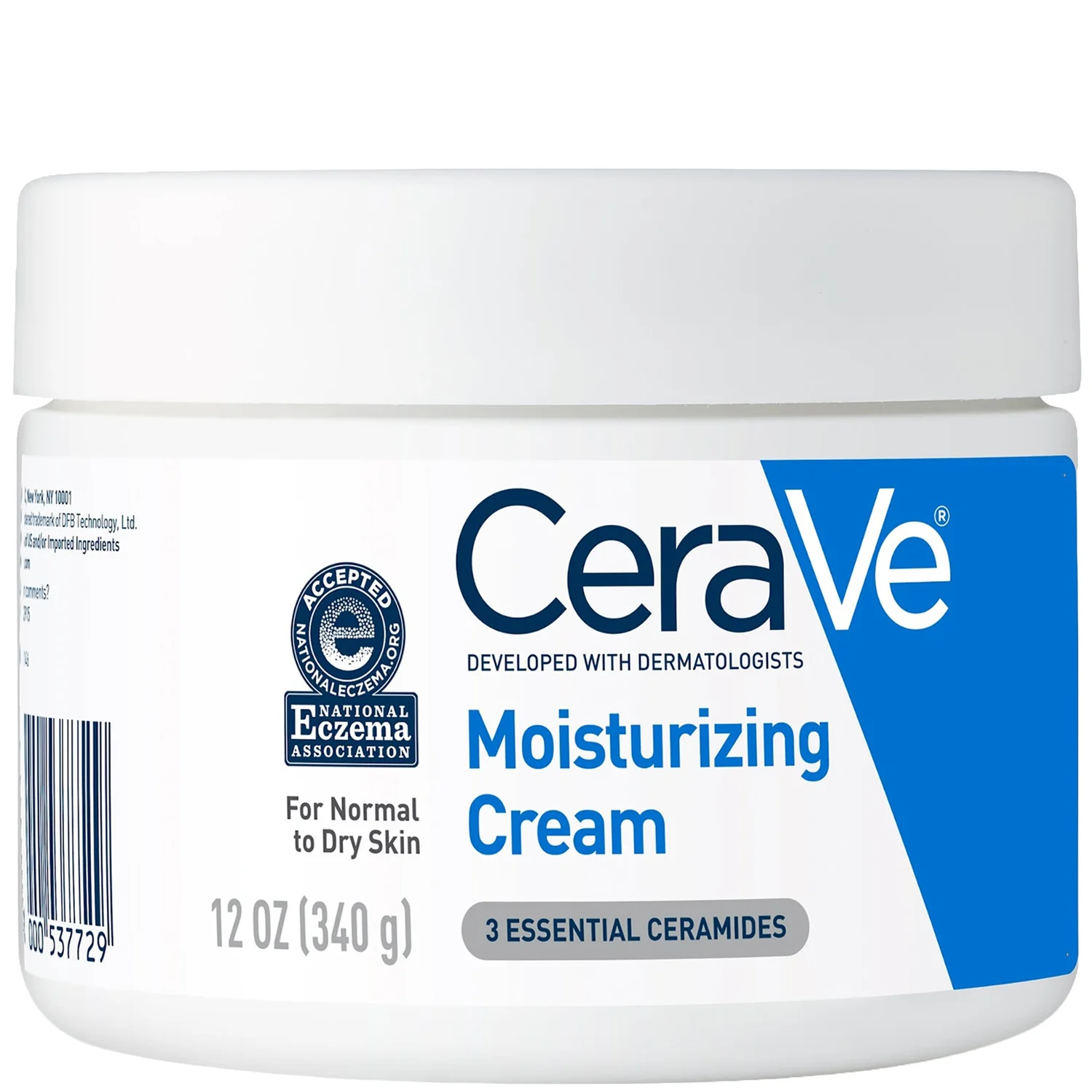 CeraVe
 Moisturizing Cream Body and Face Moisturizer for Dry Skin (12 fl. oz)
Dermatologist pick · Dr. Muneeb Shah @dermdoctor
Contains Humectants (water-binding), Ceramides and barrier lipids, Hyaluronic acid Buy on Amazon
Ingredients and prices →
-
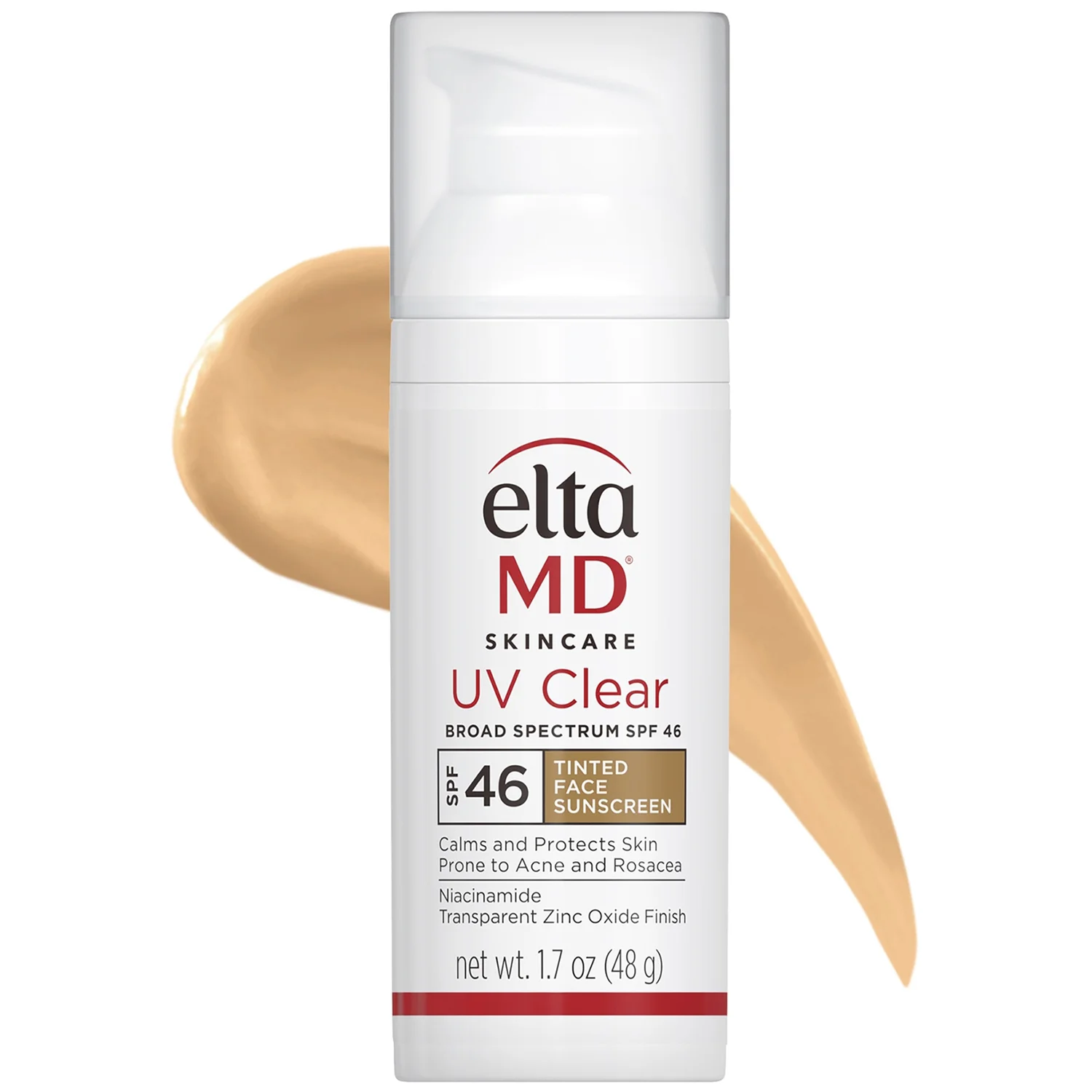
Protect
Broad-spectrum SPF 30+
Daily sunscreen is the most useful anti-aging and anti-spot step for every skin type. Choose a texture you will actually wear every day.
How: Apply 1/4 teaspoon (about 1.25 ml) to face and neck as the last step, 15 minutes before going out, and reapply every 2 hours outdoors or after swimming or sweating. Don't forget your ears, the back of your neck and your lips (use an SPF lip balm).
Look forBroad-spectrum SPF 30–50Zinc oxide, titanium dioxide or modern chemical filtersIron oxides (tinted formulas)Texture: Lotion, fluid or gel
Skip: Relying only on the SPF in makeup; you would need far more than you normally apply.
Night routine
If you are pregnant, trying to get pregnant or breastfeeding, ask your doctor before using retinoids (retinol, retinal, adapalene) or high-strength salicylic acid such as peels. Azelaic acid, niacinamide, vitamin C and mineral sunscreen are usually considered gentler choices, but check with your doctor too.
-
Cleanse
Double cleanse on makeup days, then gentle cleanser
Removes sunscreen, makeup and the day's buildup. Use a cleansing oil or micellar water first if you wore makeup or water-resistant sunscreen.
How: Massage the cleansing oil on dry skin for 30–60 seconds and rinse, then use your gentle cleanser for 30–60 seconds with lukewarm water. Pat dry and wait until skin is fully dry before retinol.
Look forEmulsifying cleansing oilGlycerinMild surfactantsTexture: Cleansing oil or balm, then gel or cream
Skip: Sleeping in makeup or sunscreen.
-
Treat
Retinol for prevention
Retinol helps keep skin smooth and even and supports collagen over the long term. Normal skin usually tolerates it well, but it still needs a slow start.
How: Use a pea-size amount of retinol 0.25–0.3% on dry skin 2–3 nights a week for the first month, away from eye corners, nostrils and lips. If there is no peeling or stinging, go to every other night, then nightly, and later move up to 0.5%. Mild dryness in weeks 2–4 is common; visible results take about 3–6 months.
Look forRetinol 0.25–0.5%Retinal (retinaldehyde) 0.05%Niacinamide or peptides (on rest nights)Texture: Serum, lotion or light cream
Skip: Using it on the same night as your AHA exfoliant, and any retinoid during pregnancy or breastfeeding (ask your doctor).
Neutrogena Evenly Clear Retinoid Adapalene Gel 0.1% Dermatologist pick · Dr. Muneeb Shah @dermdoctor Same active as Differin (adapalene 0.1%), his top acne pick. Buy on Amazon Ingredients and prices →
-
Moisturize
Light-to-medium night cream
A night cream with ceramides or peptides supports repair and reduces retinol dryness.
How: Apply a pea-to-almond-size amount 1–2 minutes after retinol. If retinol stings, apply moisturizer first, wait 5 minutes, then the retinol.
Look forCeramidesPeptidesGlycerinSqualaneTexture: Lotion or light cream
Skip: Piling on several heavy creams; one layer is enough.
CeraVe
CeraVe Moisturizing Cream Body and Face Moisturizer for Dry Skin (12 fl. oz)
Dermatologist pick · Dr. Muneeb Shah @dermdoctor
Contains Humectants (water-binding), Ceramides and barrier lipids, Hyaluronic acid Buy on Amazon
Ingredients and prices →
Once or twice a week
-
Exfoliate · 1 time a week
Gentle AHA exfoliant
A glycolic, lactic or mandelic acid exfoliant removes dull surface cells so skin looks brighter and feels smoother.
How: On a night without retinol, apply a thin layer of glycolic acid 5–8% or lactic acid 5–10% to clean, dry skin (rinse it off after the time on the label if it is a rinse-off product), wait 2 minutes, then moisturize. Use sunscreen strictly for the next 7 days, since AHAs make skin more sensitive to the sun.
Look forGlycolic acid 5–8%Lactic acid 5–10%Mandelic acid 5–10%Texture: Toner, serum or lotion
Skip: Using it more than twice a week or on the same night as retinol.
Good Molecules Good Molecules Mandelic Acid Serum, Gentle AHA Exfoliating Serum, 1 fl oz Contains AHAs (alpha hydroxy acids), PHAs (polyhydroxy acids) Buy on Amazon Ingredients and prices →
-
Mask · 1 time a week
Hydrating mask
A hydrating gel, cream or sheet mask gives an extra boost of moisture, especially after sun, flights or cold weather.
How: Apply to clean skin for 15–20 minutes, pat the extra in, then moisturize. Choose a different night from your exfoliant.
Look forHyaluronic acidGlycerinPanthenolAloe veraTexture: Gel, cream or sheet mask
Skip: Masks heavy in fragrance or essential oils.
 Anua
Heartleaf 70 Soothing Collagen Mask
Contains Humectants (water-binding), Hyaluronic acid Buy on Amazon
Ingredients and prices →
Actives that suit normal skin
| Active | Strength | Why | When |
|---|---|---|---|
| Vitamin C (L-ascorbic acid) | 10–20% | Antioxidant that adds protection under sunscreen and brightens. | Morning |
| Retinol | 0.25–0.5% | Helps prevent and soften fine lines and keeps texture smooth. | Evening, start 2–3 nights a week |
| Niacinamide | 2–5% | Supports the barrier, evens tone and pairs with almost everything. | Morning or evening |
| Hyaluronic acid | 0.1–2% | Light hydration for every season. | Morning and evening |
| Glycolic or lactic acid (AHA) | 5–10% | Weekly exfoliation for brightness and smoothness. | Evening, 1 time a week |
| Peptides | No set strength | Support firmness with very little irritation; the evidence is modest. | Morning or evening |
| Ceramides | No set strength | Keep the barrier strong, especially while you use retinol. | Morning and evening |
Go easy on these
- Several new actives at once Even normal skin can become irritated when you add a few strong products together.
- Fragrance and essential oils Frequent causes of contact allergy over time.
- Daily strong exfoliation Overexfoliation can make normal skin sensitive and flaky.
See a dermatologist for a yearly skin check if you have many moles or a family history of skin cancer, and any time a mole changes in size, shape or color, or a spot bleeds or won't heal.
Tips for normal skin
- Keep it simple: cleanser, vitamin C, moisturizer and sunscreen in the morning; cleanser, retinol and moisturizer at night.
- Protect from the sun beyond SPF: a wide-brim hat, sunglasses and shade between 10 am and 4 pm.
- Wash your face with lukewarm water and pat dry; keep very hot shower water off your face.
- Aim for 7–9 hours of sleep; poor sleep shows up as dullness and dark circles.
- Change your pillowcase once a week and wash makeup brushes every 1–2 weeks.
- Skin changes with seasons, age, pregnancy and new medicines, so retake the skin type quiz when things feel different.
Good to know
New products: Patch test each new product on the inner arm or behind the ear twice a day for 7–10 days, and don't use it if you see redness, itching or swelling. Add only one new product at a time, about 2 weeks apart, so you know what helps and what causes a reaction.
Sunscreen: Use a broad-spectrum SPF 30 or higher every morning, even on cloudy days: about 1/4 teaspoon (about 1.25 ml) for face and neck. Reapply every 2 hours outdoors and right after swimming or sweating.
Pregnant or breastfeeding: If you are pregnant, trying to get pregnant or breastfeeding, ask your doctor before using retinoids (retinol, retinal, adapalene) or high-strength salicylic acid such as peels. Azelaic acid, niacinamide, vitamin C and mineral sunscreen are usually considered gentler choices, but check with your doctor too.