Combination skin routine
Balance an oily T-zone and drier cheeks in one routine
Combination skin is oily in some areas, usually the T-zone (forehead, nose and chin), and normal or dry on the cheeks. It often shifts with the seasons, oilier in summer and drier in winter. The idea is a gentle base routine for the whole face, with oil control only where you need it.
Signs of combination skin
- Shiny forehead, nose and chin by midday while your cheeks feel normal or tight
- Larger pores and blackheads on the nose, smaller pores on the cheeks
- Breakouts mainly in the T-zone
- Flaky patches on the cheeks in cold weather
- One moisturizer feels too heavy on your nose but not enough on your cheeks
Written by the Glowpedia team · How we write our guides
Glowpedia · Your routine · November 23, 2026
https://myglowpedia.com/en/routine/combination
Save it as a PDF, print it or send it to your inbox. The link of this page always opens your routine.
Morning routine
Apply products from thinnest to thickest: watery serums first, then lotions and creams, with sunscreen always last in the morning. Wait about 1 minute between layers and 1–2 minutes before sunscreen, and let skin dry fully after washing before a retinoid.
-
Cleanse
Gentle gel cleanser
A mild, low-foam gel cleanser removes overnight oil from the T-zone without drying the cheeks.
How: Massage a hazelnut-size amount over the face for 30–60 seconds with lukewarm water (about 32–37 °C / 90–98 °F), spending a little longer on the T-zone, then rinse and pat dry. If your cheeks feel tight, rinse with water only in the morning.
Look forGlycerinMild surfactants (such as coco-glucoside)PanthenolTexture: Gel or low-foam gel
Skip: Strong foaming or salicylic acid cleansers all over every morning, which dry out the cheeks.
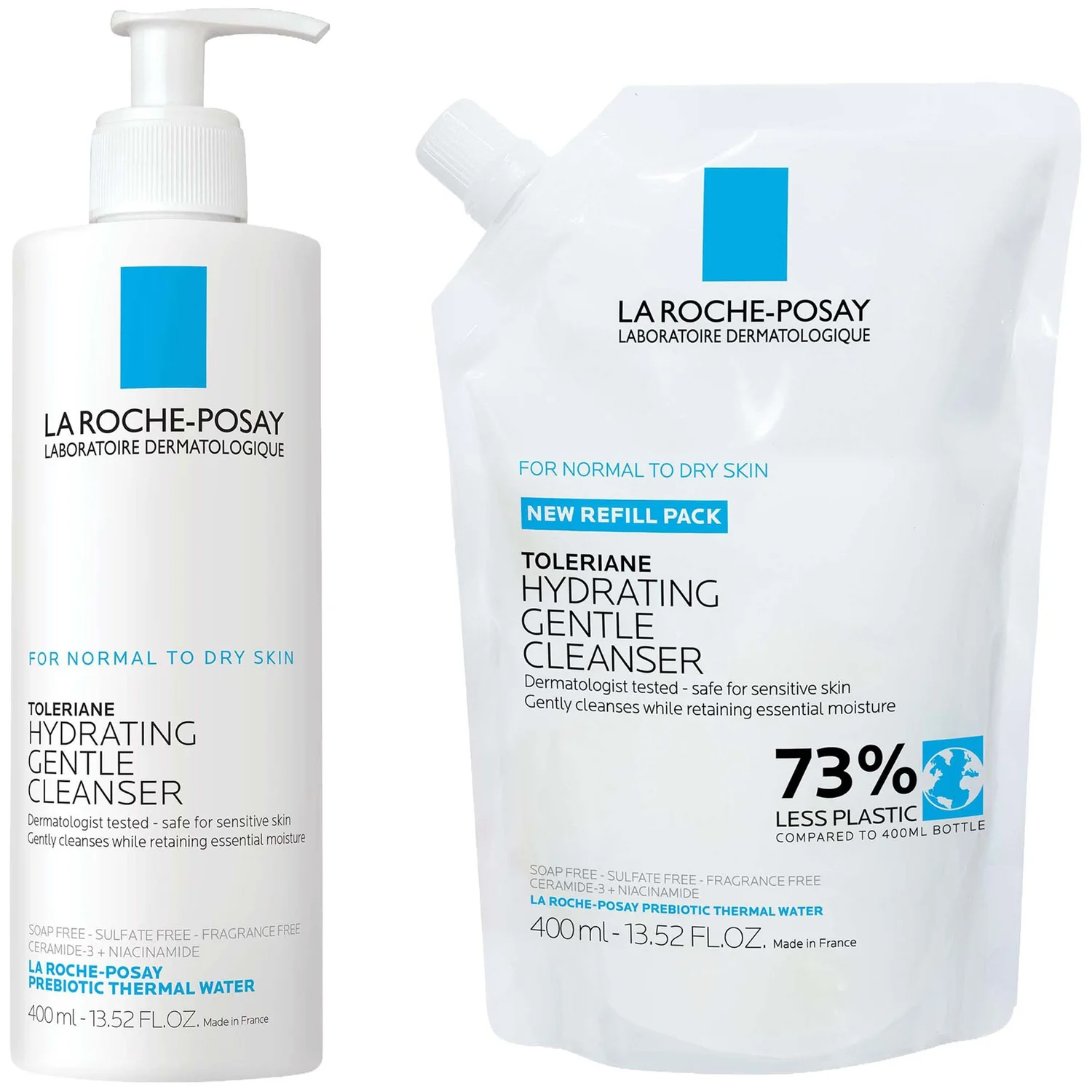 La Roche-Posay
 Toleriane Hydrating Gentle Cleanser (Various Sizes)
Dermatologist pick · Dr. Joyce Park @teawithmd
Contains Gentle cleansers (surfactants), Humectants (water-binding), Niacinamide (vitamin B3) Buy on Amazon
Ingredients and prices →
-
Serum
Niacinamide and hyaluronic acid serum
Niacinamide helps with oil and pore size in the T-zone, while hyaluronic acid hydrates the cheeks, so one serum works for both zones.
How: Press 3–4 drops over the whole face on slightly damp skin and wait about 1 minute before moisturizer. If you use 2 separate serums, apply the thinner, more watery one first.
Look forNiacinamide 4–5%Hyaluronic acidZinc PCA (optional)Texture: Light watery serum
Skip: Face oils and heavy serums on the T-zone.
 Biossance
Squalane + Copper Peptide Rapid Plumping Serum
Dermatologist pick · Dr. Muneeb Shah @dermdoctor
Contains Hyaluronic acid Buy on Amazon
Ingredients and prices →
-
Moisturize
Light lotion, richer on dry areas
A light lotion or gel-cream suits most of the face; add a thin second layer or a richer cream only where you are dry.
How: Spread a pea-size amount over the whole face, then press a little more (or a ceramide cream) onto the cheeks and any flaky spots. Wait 1–2 minutes before sunscreen.
Look forGlycerinCeramidesNiacinamideSqualaneTexture: Lotion or gel-cream
Skip: One thick cream over the whole face, which can clog the T-zone.
Neutrogena Neutrogena Hydro Boost Water Gel Face Moisturizer for Normal to Oily Skin - 1.7oz Dermatologist pick · Dr. Muneeb Shah @dermdoctor Contains Humectants (water-binding), Hyaluronic acid Buy on Amazon Ingredients and prices →
-
Protect
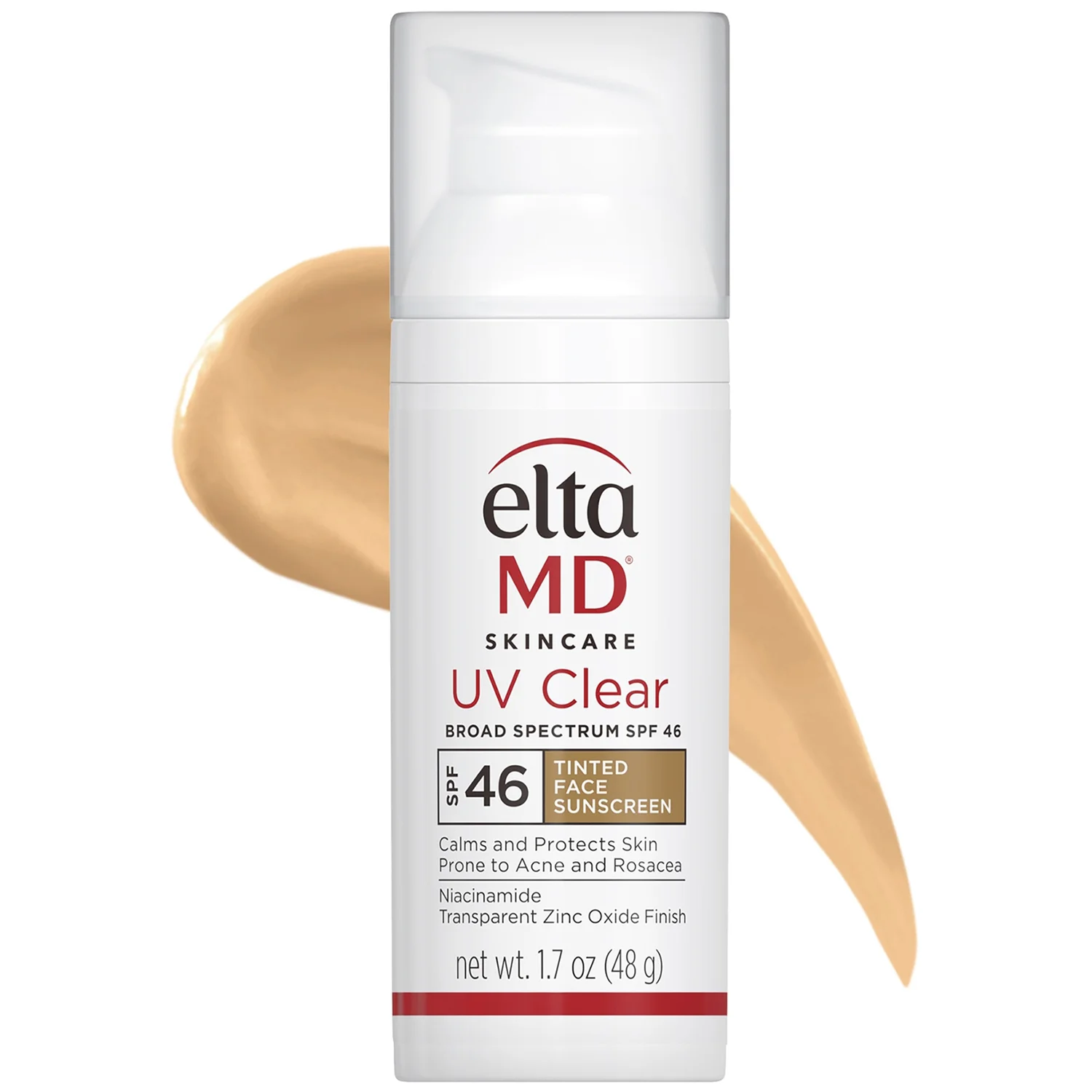
Light SPF 30+ lotion
A fluid or light lotion sunscreen protects without looking greasy on the T-zone or drying the cheeks.
How: Apply 1/4 teaspoon (about 1.25 ml) to face and neck as the last step, 15 minutes before going out. Reapply every 2 hours outdoors and after sweating or swimming, blotting the T-zone first so it spreads evenly.
Look forBroad-spectrum SPF 30–50Zinc oxide or modern chemical filtersNiacinamide or glycerin (in some formulas)Texture: Fluid or light lotion
Skip: Very matte formulas if your cheeks are dry, or very dewy, oily ones if your T-zone is very oily.
Night routine
If you are pregnant, trying to get pregnant or breastfeeding, ask your doctor before using retinoids (retinol, retinal, adapalene) or high-strength salicylic acid such as peels. Azelaic acid, niacinamide, vitamin C and mineral sunscreen are usually considered gentler choices, but check with your doctor too.
-
Cleanse
Double cleanse: micellar water, then gel cleanser
Removes sunscreen, makeup and the day's oil. On makeup or heavy-sunscreen days, start with micellar water or a cleansing oil, then your gel cleanser.
How: Wipe micellar water over the face with a cotton pad (or massage a cleansing oil on dry skin for 30–60 seconds and rinse), then wash with your gel cleanser for 30–60 seconds in lukewarm water. Pat dry and let skin dry fully, about 5–10 minutes, before your treatment.
Look forMicellar cleansing agentsGlycerinSalicylic acid 0.5–2% (optional, T-zone)Texture: Micellar water or cleansing oil, then gel
Skip: Hot water and rough washcloths.
La Roche-Posay
La Roche-Posay Toleriane Hydrating Gentle Cleanser (Various Sizes)
Dermatologist pick · Dr. Joyce Park @teawithmd
Contains Gentle cleansers (surfactants), Humectants (water-binding), Niacinamide (vitamin B3) Buy on Amazon
Ingredients and prices →
-
Treat
Retinoid all over, salicylic acid on the T-zone
A retinoid helps clogged pores, breakouts and texture across the whole face. On other nights, salicylic acid on the T-zone (see the weekly exfoliant) handles blackheads on the nose and forehead.
How: Use a pea-size amount of adapalene 0.1% or retinol 0.25–0.3% on fully dry skin 2–3 nights a week, spreading a little less on the cheeks and staying away from eye corners, nostrils and lips. After 2–3 weeks without peeling, move to every other night. Never use the salicylic acid on the same night while you are starting.
Look forAdapalene 0.1%Retinol 0.25–0.5%Salicylic acid 1–2% (T-zone, other nights)Texture: Gel or light serum
Skip: Any retinoid during pregnancy or breastfeeding (ask your doctor).
Neutrogena Evenly Clear Retinoid Adapalene Gel 0.1% Dermatologist pick · Dr. Muneeb Shah @dermdoctor Same active as Differin (adapalene 0.1%), his top acne pick. Buy on Amazon Ingredients and prices →
-
Moisturize
Light lotion, extra cream on the cheeks
At night, a lotion with ceramides keeps the barrier strong, with a richer layer only where you need it.
How: Wait 1–2 minutes after your treatment, then apply a pea-size amount all over and a little extra on dry cheeks. If the retinoid stings, put moisturizer on first, wait 5 minutes, then apply the retinoid.
Look forCeramidesNiacinamideGlycerinPanthenolTexture: Lotion; cream on dry areas
Skip: Heavy balms or petrolatum on the T-zone.
Once or twice a week
-
Exfoliate · 1–2 times a week
Salicylic acid (BHA) on the T-zone
Salicylic acid clears the oily T-zone pores where blackheads form, without treating the drier cheeks.
How: On 1–2 nights without retinoid, swipe a few drops of 1–2% BHA over the nose, forehead and chin with a cotton pad; wait 1–2 minutes, then moisturize. If your cheeks also get bumps, use it there no more than once a week.
Look forSalicylic acid 1–2%NiacinamideGlycerinTexture: Liquid toner or light gel
Skip: Using it on the same night as a retinoid, or on flaky or irritated patches.
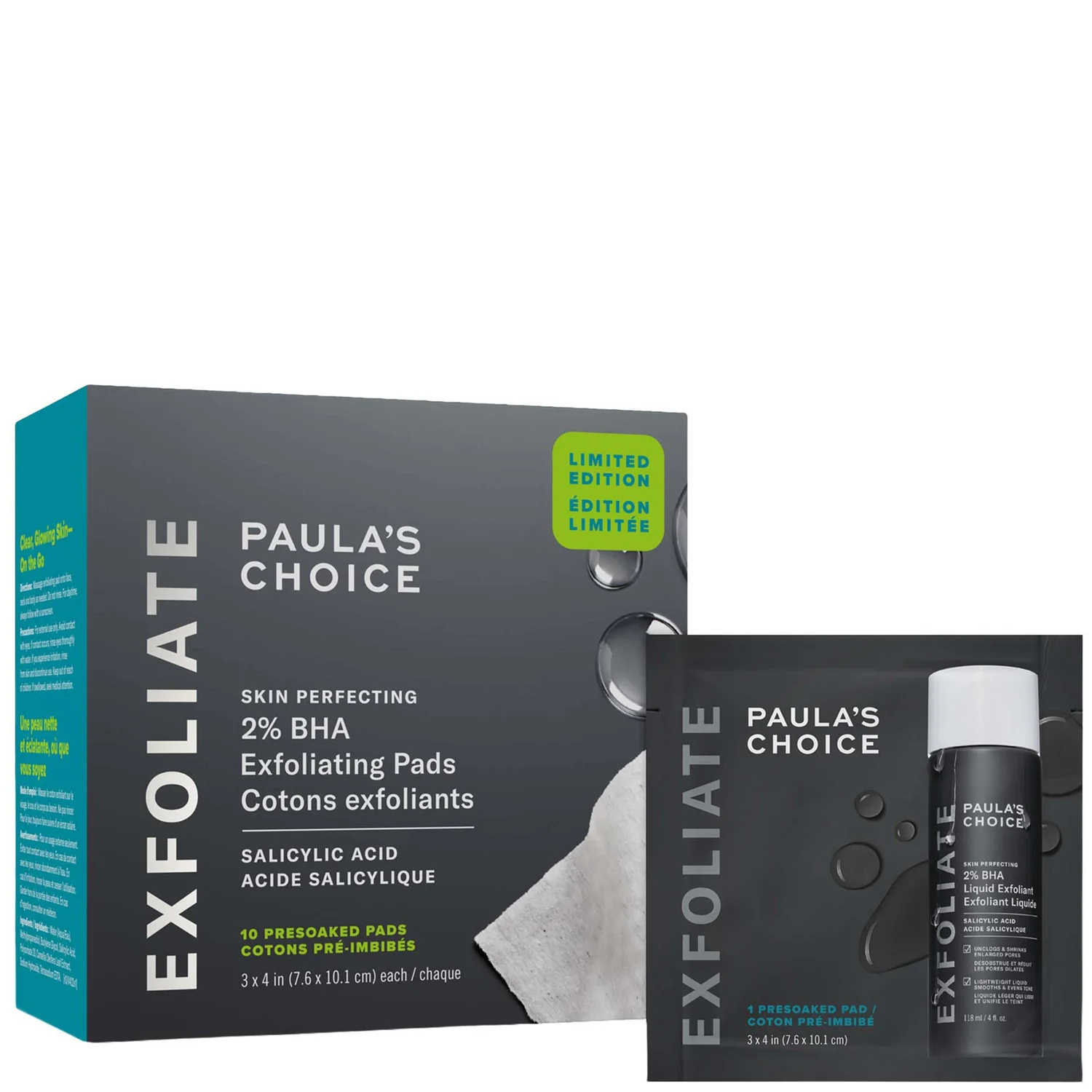 Paula's Choice
 Skin Perfecting 2% BHA Liquid Exfoliant (118ml)
Dermatologist pick · Dr. Muneeb Shah @dermdoctor
Contains BHA (salicylic acid) Buy on Amazon
Ingredients and prices →
-
Mask · 1 time a week
Multi-masking: clay on the T-zone, hydrating on the cheeks
Two masks at once give each zone what it needs: clay absorbs oil on the T-zone, while a cream or gel mask hydrates the cheeks.
How: Apply a thin layer of clay mask to forehead, nose and chin and a hydrating mask to the cheeks. Rinse the clay after 10–15 minutes, before it cracks, leave the hydrating mask up to 20 minutes, then moisturize; skip retinoid and acid that night.
Look forKaolin clayBentonite clayHyaluronic acidGlycerinTexture: Clay paste plus cream or gel mask
Skip: Clay over the whole face if your cheeks are dry.
 Olaplex
WEIGHTLESS NOURISHING MASK
Contains Clays and absorbent powders, Humectants (water-binding) Buy on Amazon
Ingredients and prices →
Actives that suit combination skin
| Active | Strength | Why | When |
|---|---|---|---|
| Niacinamide | 2–5% | Helps balance oil in the T-zone and calms redness on the cheeks. | Morning or evening |
| Hyaluronic acid | 0.1–2% | Hydrates without oil, so it suits both zones. | Morning and evening, on damp skin |
| Salicylic acid (BHA) | 0.5–2% | Clears oily pores and blackheads where you need it. | Evening, 1–2 times a week on the T-zone |
| Adapalene | 0.1% | Prevents clogged pores and breakouts across the face. | Evening, start 2–3 nights a week |
| Retinol | 0.25–0.5% | Smooths texture and pores; a gentle way to start with retinoids. | Evening, start 2–3 nights a week |
| Ceramides | No set strength; look for them near the top of the list | Repair the barrier on dry cheeks. | Morning and evening |
| Vitamin C (L-ascorbic acid) | 10–15% | Antioxidant and brightener that boosts protection under sunscreen. | Morning |
Go easy on these
- Heavy oils and butters on the T-zone Can clog pores where oil is already high.
- Clay masks and strong cleansers over the whole face Overdry the cheeks.
- Toners high in alcohol denat Irritate the drier areas and don't control oil for long.
- Grainy scrubs Rubbing irritates the cheeks and inflamed spots.
See a dermatologist if breakouts are painful, deep or leave marks, if red, flaky patches around your nose and eyebrows keep coming back (this can be seborrheic dermatitis), or if 3 months of over-the-counter care hasn't helped.
Tips for combination skin
- Treat zones, not the whole face: oil control on the T-zone, extra moisture only on dry areas.
- Switch to a lighter moisturizer in summer and a richer one in winter; your skin changes with the seasons.
- Blot the T-zone with blotting paper at midday instead of washing again.
- Change your pillowcase 2–3 times a week if you get breakouts.
- Wash with lukewarm water (about 32–37 °C / 90–98 °F), never hot.
- Add one new product at a time, 2 weeks apart, so you know what helps.
Good to know
New products: Patch test each new product on the inner arm or behind the ear twice a day for 7–10 days, and don't use it if you see redness, itching or swelling. Add only one new product at a time, about 2 weeks apart, so you know what helps and what causes a reaction.
Sunscreen: Use a broad-spectrum SPF 30 or higher every morning, even on cloudy days: about 1/4 teaspoon (about 1.25 ml) for face and neck. Reapply every 2 hours outdoors and right after swimming or sweating.
Pregnant or breastfeeding: If you are pregnant, trying to get pregnant or breastfeeding, ask your doctor before using retinoids (retinol, retinal, adapalene) or high-strength salicylic acid such as peels. Azelaic acid, niacinamide, vitamin C and mineral sunscreen are usually considered gentler choices, but check with your doctor too.