Dry skin routine
Gentle cleansing and rich layers that hold moisture in
Dry skin makes less oil and has a weaker barrier, so water escapes more easily and skin feels tight, rough or flaky. It often gets worse in winter, with hot showers and with age. The goal is to cleanse gently, add water, then seal it in with richer creams.
Signs of dry skin
- Skin feels tight within minutes of washing
- Flaky or rough patches, especially around the nose, cheeks and mouth
- Fine lines look deeper when your skin is dry
- Makeup clings to dry patches
- Your face is rarely or never shiny, even by evening
Written by the Glowpedia team · How we write our guides
Glowpedia · Your routine · November 23, 2026
https://myglowpedia.com/en/routine/dry
Save it as a PDF, print it or send it to your inbox. The link of this page always opens your routine.
Morning routine
Apply products from thinnest to thickest: watery serums first, then lotions and creams, with sunscreen always last in the morning. Wait about 1 minute between layers and 1–2 minutes before sunscreen, and let skin dry fully after washing before a retinoid.
-
Cleanse
Water rinse or creamy cleanser
In the morning, dry skin usually needs only lukewarm water or a small amount of a non-foaming cream or milk cleanser. This keeps the natural oils your skin made overnight.
How: Splash your face with lukewarm water (about 32–37 °C / 90–98 °F), or massage a pea-size amount of cream cleanser for 30 seconds and rinse. Pat gently with a soft towel and leave the skin slightly damp for your serum.
Look forGlycerinCeramidesColloidal oatmealTexture: Cream, milk or lotion cleanser (non-foaming)
Skip: Foaming cleansers with sodium lauryl sulfate, bar soap and hot water.
CeraVe 16.0 oz Hydrating Facial Cleanser Dermatologist pick · Dr. Muneeb Shah @dermdoctor Contains Ceramides and barrier lipids, Humectants (water-binding), Gentle cleansers (surfactants) Buy on Amazon Ingredients and prices →
-
Serum
Hyaluronic acid serum on damp skin
Hyaluronic acid, glycerin and panthenol are humectants: they draw water into the top layer of skin so it looks plumper and feels less tight.
How: Press 3–4 drops onto slightly damp skin within a minute of washing, then apply moisturizer within 1–2 minutes to lock the water in. In very dry air (heating or air conditioning), always follow with cream, or the serum can leave skin feeling tighter.
Look forHyaluronic acid (sodium hyaluronate) 0.1–2%GlycerinPanthenol (vitamin B5) 1–5%Texture: Watery or light gel serum
Skip: Serums with alcohol denat or fragrance near the top of the ingredient list.
 Biossance
Squalane + Copper Peptide Rapid Plumping Serum
Dermatologist pick · Dr. Muneeb Shah @dermdoctor
Contains Hyaluronic acid, Humectants (water-binding), Panthenol (vitamin B5) Buy on Amazon
Ingredients and prices →
-
Moisturize
Rich ceramide cream
A cream with ceramides, cholesterol and fatty acids helps rebuild the barrier, while shea butter and squalane soften rough patches.
How: Warm an almond-size amount between your fingertips and press it over face and neck, adding a second thin layer on flaky spots. Wait 2–3 minutes before sunscreen so it settles.
Look forCeramidesCholesterol and fatty acidsShea butterSqualaneTexture: Rich cream or balm-cream
Skip: Fragranced creams and products with alcohol denat among the first ingredients.
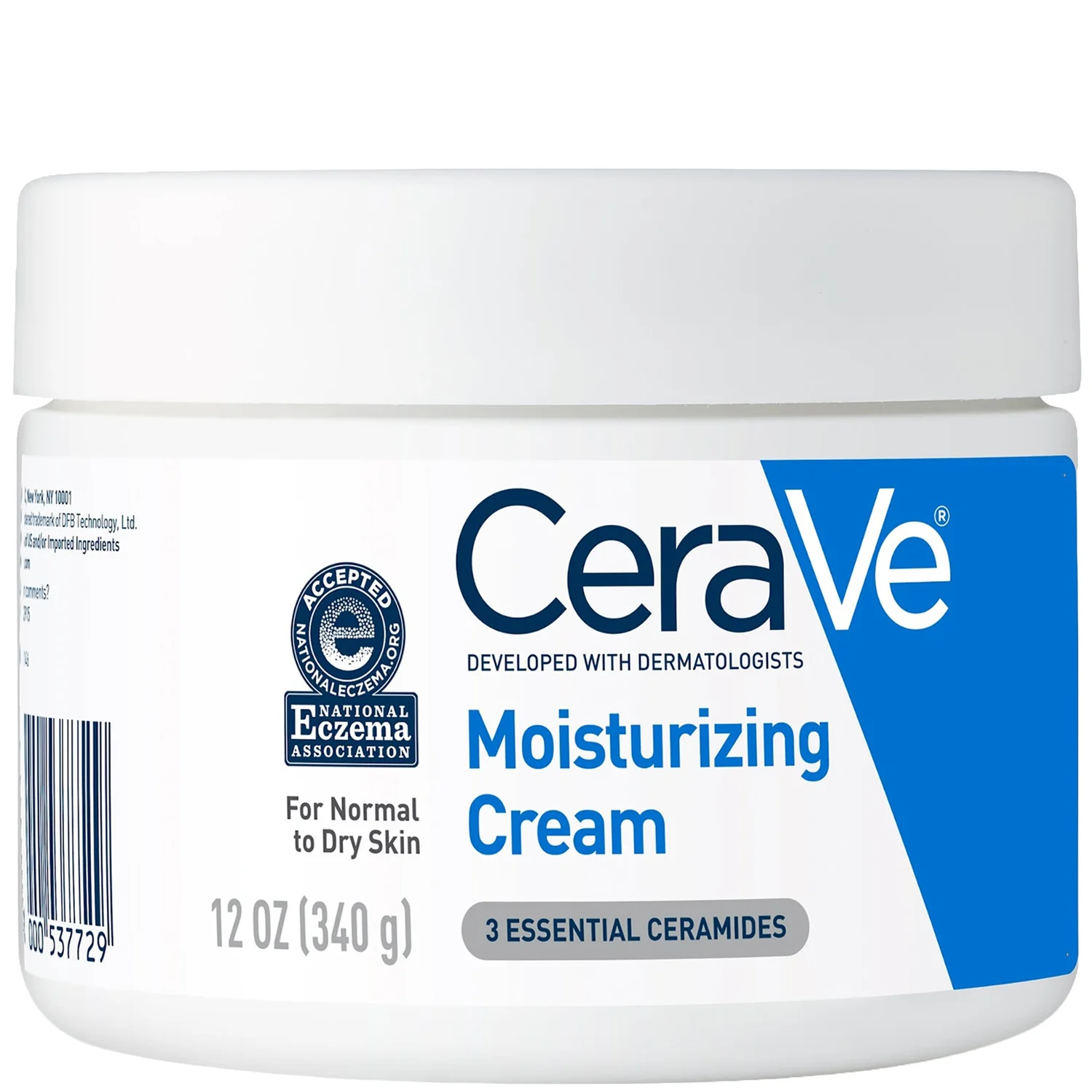 CeraVe
 Moisturizing Cream Body and Face Moisturizer for Dry Skin (12 fl. oz)
Dermatologist pick · Dr. Muneeb Shah @dermdoctor
Contains Ceramides and barrier lipids, Humectants (water-binding), Occlusives Buy on Amazon
Ingredients and prices →
-
Protect
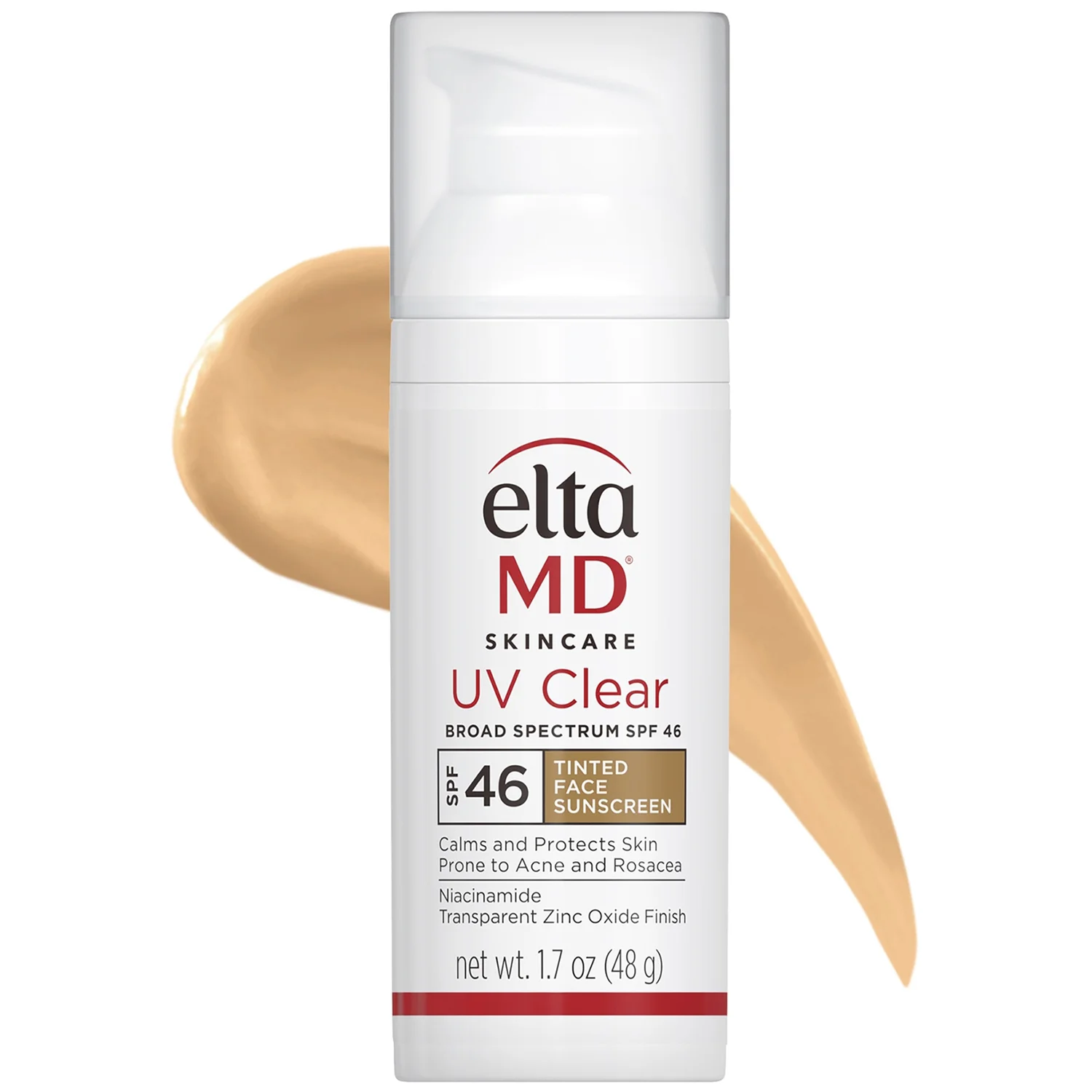
Moisturizing SPF 30+
A creamy, broad-spectrum sunscreen protects you and adds a little extra moisture. Over time, sun damage makes dry skin rougher and lines more visible.
How: Apply 1/4 teaspoon (about 1.25 ml) to face and neck as the last step, 15 minutes before going out, and reapply every 2 hours outdoors or after sweating or swimming. On mild winter days, a sunscreen with glycerin or hyaluronic acid can be applied straight over your serum.
Look forBroad-spectrum SPF 30–50Glycerin or hyaluronic acidZinc oxide or modern chemical filtersTexture: Cream or lotion
Skip: Matte or oil-control sunscreens, which can feel drying.
Night routine
If you are pregnant, trying to get pregnant or breastfeeding, ask your doctor before using retinoids (retinol, retinal, adapalene) or high-strength salicylic acid such as peels. Azelaic acid, niacinamide, vitamin C and mineral sunscreen are usually considered gentler choices, but check with your doctor too.
-
Cleanse
Cleansing balm or cream cleanser
At night you need to remove sunscreen and makeup without stripping. A cleansing balm, oil or cream melts them away gently.
How: Massage a cleansing balm onto dry skin for 30–60 seconds, add a little water to turn it milky, then rinse with lukewarm water. If you wore only a light sunscreen, one wash with a cream cleanser is enough; pat dry and let your skin dry fully before the treatment step.
Look forEmulsifying plant or mineral oilsGlycerinCeramidesTexture: Balm, oil or cream
Skip: Using cleansing wipes as your only cleanser; the rubbing irritates dry skin.
-
Treat
Gentle retinoid (buffered) or peptide serum
A low-strength retinoid smooths rough texture and fine lines over time, and dry skin tolerates it best when it is buffered with moisturizer. If your skin is too dry or irritated for a retinoid, a peptide serum is a gentler choice.
How: Start retinol 0.25–0.3% on 2 nights a week with the sandwich method: a thin layer of moisturizer, wait 5 minutes, a pea-size amount of retinol, then moisturizer again. Every 2–3 weeks without flaking or stinging, add 1 more night; on the other nights use a peptide serum. Keep it away from eye corners, nostrils and lips.
Look forRetinol 0.25–0.5%Peptides (such as palmitoyl pentapeptide-4)Ceramides or squalane in the baseTexture: Cream or lotion (gentler than gels or alcohol-based serums)
Skip: Starting a retinoid on cracked, flaking or sunburned skin, and any retinoid during pregnancy or breastfeeding (ask your doctor).
Neutrogena Evenly Clear Retinoid Adapalene Gel 0.1% Dermatologist pick · Dr. Muneeb Shah @dermdoctor Same active as Differin (adapalene 0.1%), his top acne pick. Buy on Amazon Ingredients and prices →
-
Moisturize
Barrier night cream, sealed on dry spots
A rich night cream supports barrier repair while you sleep. A thin layer of petrolatum or balm on the driest areas (slugging) stops water loss overnight.
How: Apply an almond-size amount of cream over face and neck. On very dry or flaky spots, press a thin layer of petrolatum or balm on top as the last step, 2–3 nights a week or every night in winter.
Look forCeramidesShea butterSqualanePetrolatum (spot use)Texture: Rich cream; balm or ointment on dry spots
Skip: Petrolatum over the whole face if you also get clogged pores or tiny white bumps (milia); keep it to dry areas.
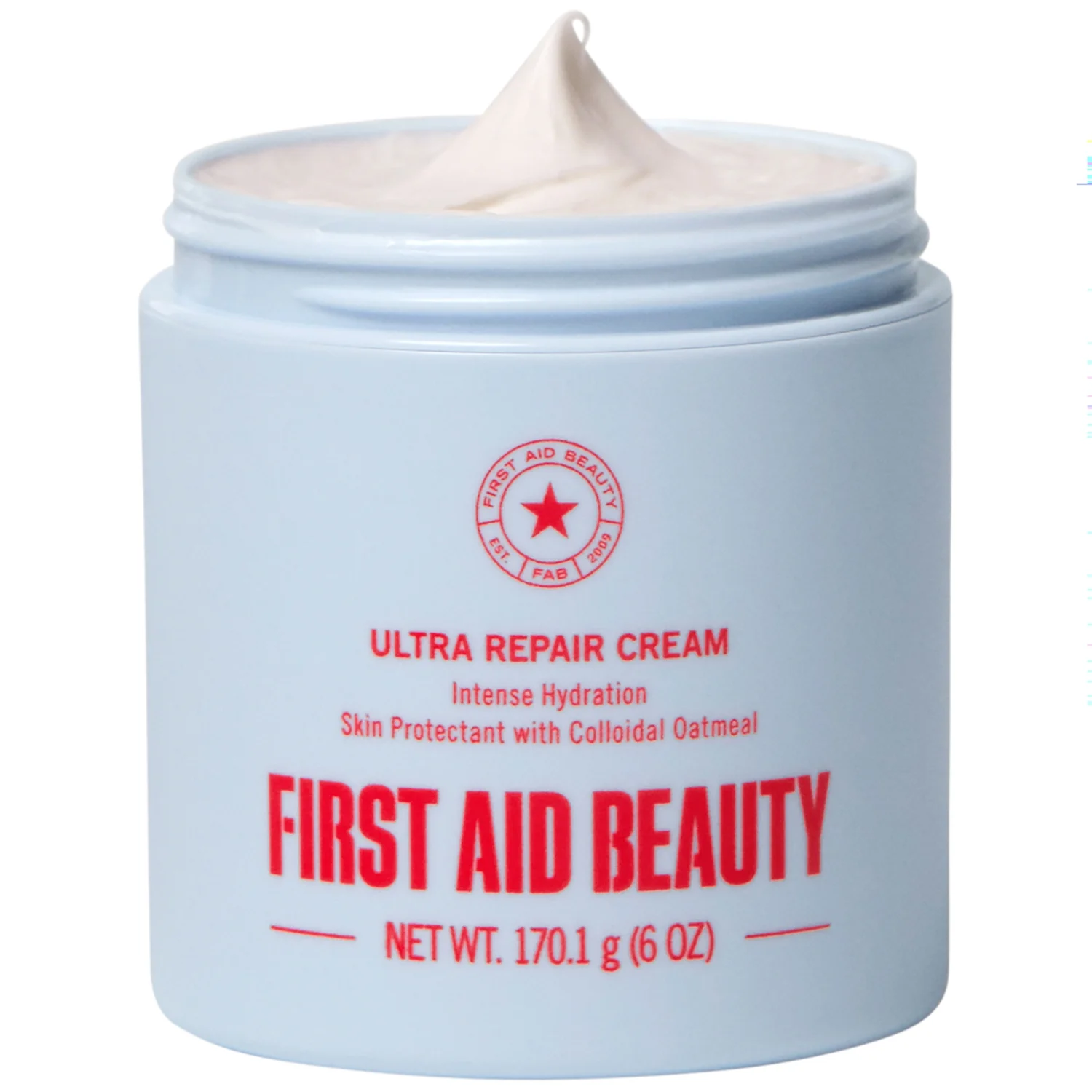 First Aid Beauty
 Ultra Repair Cream (6oz)
Dermatologist pick · Dr. Shereene Idriss @shereeneidriss
Contains Ceramides and barrier lipids, Humectants (water-binding) Buy on Amazon
Ingredients and prices →
Once or twice a week
-
Exfoliate · 1 time a week
Lactic acid or PHA exfoliant
Lactic acid and polyhydroxy acids (PHAs) loosen dry, dead cells and also help skin hold water, so they are kinder to dry skin than strong glycolic acid or scrubs.
How: On a night without retinol, apply a thin layer of lactic acid 5–10% or a PHA (gluconolactone 4–10%) to clean, dry skin, wait 2 minutes, then moisturize; a light tingle for a minute is normal, burning is not. Start at 5%, and be strict with sunscreen for the next 7 days, because AHAs make skin more sensitive to the sun.
Look forLactic acid 5–10%Gluconolactone (PHA) 4–10%GlycerinTexture: Serum, lotion or toner
Skip: Grainy scrubs and peel pads above 10% unless a dermatologist recommends them.
Good Molecules Good Molecules Mandelic Acid Serum, Gentle AHA Exfoliating Serum, 1 fl oz Contains PHAs (polyhydroxy acids), AHAs (alpha hydroxy acids) Buy on Amazon Ingredients and prices →
-
Mask · 1–2 times a week
Hydrating or overnight mask
A cream, gel or sleeping mask gives an extra dose of humectants and soothing ingredients. An overnight mask also seals everything in while you sleep.
How: Apply a generous layer to clean skin for 15–20 minutes, then pat the extra in, or use a sleeping mask as the last step of your night routine in place of night cream. Sheet masks work too: 15–20 minutes, then follow with cream.
Look forHyaluronic acidGlycerinPanthenolCeramidesTexture: Cream, gel or sleeping mask
Skip: Peel-off and clay masks, which dry skin further.
 Summer Fridays
Jumbo Jet Lag Mask
Contains Hyaluronic acid, Humectants (water-binding), Ceramides and barrier lipids Buy on Amazon
Ingredients and prices →
Actives that suit dry skin
| Active | Strength | Why | When |
|---|---|---|---|
| Ceramides | No set strength; best with cholesterol and fatty acids | Rebuild the barrier that keeps water in and irritants out. | Morning and evening |
| Hyaluronic acid | 0.1–2% | Draws water into the skin for a plumper, more comfortable feel. | Morning and evening, on damp skin |
| Glycerin | 3–10% in creams and serums | A well-studied, low-cost humectant that helps skin hold water. | Morning and evening |
| Urea | 2–5% for the face | Hydrates and softens rough, flaky patches. | Evening, or morning and evening |
| Squalane | A few drops as an oil, or in creams | Light, skin-friendly oil that softens without feeling greasy. | Morning and evening |
| Panthenol (vitamin B5) | 1–5% | Soothes and helps reduce water loss. | Morning and evening |
| Lactic acid | 5–10% | Gently removes flakes while helping skin hold water. | Evening, 1 time a week |
Go easy on these
- Foaming cleansers with sodium lauryl sulfate Remove the oils dry skin is already short of and leave it tight.
- Alcohol denat high on the ingredient list Evaporates fast and takes water with it.
- Fragrance and essential oils Common causes of irritation and allergy, more so when the barrier is weak.
- Strong glycolic acid peels and grainy scrubs Overexfoliation thins the barrier and causes stinging and flaking.
- Retinoids used too often too soon Can cause peeling that makes dryness worse; start on 2 nights a week.
See a dermatologist if dryness comes with itching, cracking, bleeding or red scaly patches, if it keeps you awake at night, or if it does not improve after 2–3 weeks of gentle care; these can be signs of eczema or another condition that needs treatment.
Tips for dry skin
- Keep showers to 5–10 minutes in lukewarm water, not hot.
- Moisturize within 3 minutes of washing, while your skin is still a little damp.
- Run a humidifier in your bedroom during heating or air-conditioning season, aiming for about 40–50% humidity.
- Drinking water matters for your health, but extra glasses won't fix dry skin alone; creams on the skin do most of the work.
- Use a fragrance-free lip balm and hand cream too; lips and hands dry out first.
- Wear sunscreen in winter as well; UVA rays pass through clouds and window glass.
Good to know
New products: Patch test each new product on the inner arm or behind the ear twice a day for 7–10 days, and don't use it if you see redness, itching or swelling. Add only one new product at a time, about 2 weeks apart, so you know what helps and what causes a reaction.
Sunscreen: Use a broad-spectrum SPF 30 or higher every morning, even on cloudy days: about 1/4 teaspoon (about 1.25 ml) for face and neck. Reapply every 2 hours outdoors and right after swimming or sweating.
Pregnant or breastfeeding: If you are pregnant, trying to get pregnant or breastfeeding, ask your doctor before using retinoids (retinol, retinal, adapalene) or high-strength salicylic acid such as peels. Azelaic acid, niacinamide, vitamin C and mineral sunscreen are usually considered gentler choices, but check with your doctor too.